Gardeners for Bexleyheath Broadway front gardens: a practical guide to curb appeal, care, and local know-how
Front gardens are funny things. People walk past them every day, but the owner sees the tiny battles: weeds at the border, hedge lines drifting out of shape, tired planting, mossy paths, and that one patch that never quite grows properly. If you are looking for Gardeners for Bexleyheath Broadway front gardens, you are probably after more than a quick tidy-up. You want a front garden that looks cared for, works with your home, and holds up through real UK weather - not just for one nice week in spring.
That is what this guide is for. We will look at what makes Broadway front gardens a little different, how a good gardening service approaches them, what benefits you can expect, where mistakes creep in, and how to choose the right mix of maintenance and design. We will also cover practical steps, compliance considerations, and a simple checklist you can actually use. Nothing fluffy. Just the stuff that helps.
Table of Contents
- Why Gardeners for Bexleyheath Broadway front gardens Matters
- How Gardeners for Bexleyheath Broadway front gardens Works
- Key Benefits and Practical Advantages
- Who This Is For and When It Makes Sense
- Step-by-Step Guidance
- Expert Tips for Better Results
- Common Mistakes to Avoid
- Tools, Resources and Recommendations
- Law, Compliance, Standards, or Best Practice
- Options, Methods, or Comparison Table
- Case Study or Real-World Example
- Practical Checklist
- Conclusion
- Frequently Asked Questions
Why Gardeners for Bexleyheath Broadway front gardens Matters
A front garden does a lot of quiet work. It frames the house, softens the hard edges of brick and paving, and gives visitors their first impression before they even knock. On a busy road or a well-used local stretch like Broadway, that first impression matters even more. A tidy, well-planted front garden can make a property feel calmer, brighter, and better cared for. A neglected one does the opposite. Harsh, but true.
For many homeowners, the front garden also has to be practical. Space may be limited. The soil might be compacted from years of foot traffic or building work. Drainage can be awkward. You may want privacy without blocking light, or planting that looks good all year without turning into a chore. That is where skilled gardeners make a real difference. They do not just plant things and hope. They read the space.
In Bexleyheath, front gardens often have to balance character with modern expectations: clean edges, easy access, and planting that survives wet winters, summer dry spells, and the odd windy blast. A thoughtful design can reduce maintenance, improve drainage, and make the whole frontage feel more welcoming. If you have ever looked out of the window on a dull January morning and felt the garden was dragging the house down a bit, you will know exactly why this matters.
There is also a safety angle. Overgrown hedges, slippery paths, poor lighting, and plant clutter near entrances can make daily use awkward. Good front garden care keeps the space attractive and easier to move through. Not glamorous perhaps, but absolutely useful.
How Gardeners for Bexleyheath Broadway front gardens Works
The process is usually more layered than people expect. A proper front garden service normally starts with an assessment, because the best fix depends on what the garden is doing now. Is it a simple maintenance job? A tired border that needs rethinking? A complete refresh after years of neglect? Those are very different jobs, even if they all look like "just the front garden" to the untrained eye.
First comes the site read. The gardener looks at light levels, soil condition, access, existing shrubs, drainage, boundary lines, and how the garden connects to the house and pavement. In a place with mixed frontage styles, you will often see one side that gets morning sun and another that sits in shade most of the day. That affects plant choice more than people realise.
Next comes a working plan. This might include hedge trimming, border reshaping, weed control, pruning, lawn care, hardscape cleaning, or replanting. If the frontage needs a more structural change, the work may overlap with landscaping support, fencing improvements, or even patio cleaning if the entrance area has paving that has gone dull or slippery.
Finally, there is the maintenance rhythm. Front gardens tend to show neglect quickly because they sit in plain sight. A one-off makeover is helpful, but regular visits are what keep the place sharp. That might mean seasonal pruning, weeding, deadheading, lawn care, and checking that paths and edges remain neat. It sounds obvious. It still gets missed all the time.
Key Benefits and Practical Advantages
People often think the main benefit is visual appeal, and yes, that is a big one. But front garden work brings a wider set of gains that are easy to overlook until you do them.
- Better kerb appeal: A tidy frontage makes the house feel more cared for and more balanced from the street.
- Less day-to-day hassle: A sensible planting plan can cut down on constant weeding and rescue jobs.
- Improved access: Clear paths, well-trimmed edges, and sensible planting make coming and going easier.
- Healthier planting: The right soil, spacing, and pruning help plants stay stronger for longer.
- Safer entry areas: Less overgrowth, better visibility, and cleaner paving reduce trip hazards.
- Better year-round structure: Evergreen planting, shaped shrubs, and ground cover keep things looking intentional even in winter.
There is also a subtle but important emotional benefit. A front garden that feels under control can make the whole house feel more settled. You notice it when you get home in the evening, or when the weather turns grey and the planting still gives you something pleasant to look at. Small thing? Maybe. But small things matter at home.
For homeowners thinking about low-maintenance ideas, a helpful starting point is budget-friendly low-maintenance garden ideas. It is a good reminder that "easy care" does not have to mean boring.
Who This Is For and When It Makes Sense
This kind of service suits a surprisingly wide range of people. Some want a polished look because they care about presentation. Some simply want the front steps cleared, the hedge straight, and the weeds gone before things get out of hand. Both are valid. Let's face it, not everyone has the time or patience to keep a front garden camera-ready every Saturday.
You may benefit from professional support if you are in one of these situations:
- Your front garden has become difficult to maintain by yourself.
- The planting looks tired, overgrown, or mismatched.
- You want a more modern, minimal, or cleaner look.
- The hedge or shrubs are blocking light or access.
- Weeds and moss keep returning after basic tidying.
- You are preparing a property for sale, rental, or a family event.
- You want privacy without creating a dark, closed-in frontage.
It also makes sense if your garden is awkwardly sized. Front spaces can be narrow, shallow, or exposed to traffic, and those layouts need a bit of judgement. A solution that works in a back garden may be clumsy at the front. For example, a lush, sprawling design may look lovely in a secluded setting but feel too busy beside a pavement. A cleaner structure often wins here.
If you are not sure where to start, the article on starting a neglected garden makeover is useful background. Front gardens that have been left a bit too long usually need a staged approach, not a frantic one.
Step-by-Step Guidance
Here is the practical version. If a gardener is improving a Broadway front garden, the work often follows a sequence like this:
- Assess the space properly. Look at what is working, what is failing, and what the garden needs to do functionally.
- Clear obvious problems first. That means weeds, dead growth, broken pots, tired mulch, and any cluttered edges.
- Shape the structure. Trim hedges, redefine borders, and decide what stays and what goes.
- Improve the soil or surface. Add compost, refresh topsoil, top up mulch, or repair patchy lawn areas.
- Choose planting with purpose. Pick species that suit light, soil, wind exposure, and how much maintenance you want.
- Finish with detail work. Sweep paths, clean edges, and check visibility from the road and doorway.
- Set a maintenance rhythm. Weekly, fortnightly, or seasonal care keeps the result from drifting.
The order matters. A lot of people jump straight to planting because that feels exciting, but if the underlying structure is wrong, the finish will always feel a little off. A neat border with the wrong plant choice becomes a chore. A weed-free path with straight edges, on the other hand, immediately feels more finished.
If privacy is part of the brief, then quick-growing hedges may be part of the answer. You can look at fast-growing hedges for instant privacy, but the key is balance. You want screening without creating a wall of green that swallows the frontage.
Expert Tips for Better Results
Good front garden work is often about restraint. The temptation is to add more: more colour, more plants, more ornaments, more of everything. But in a street-facing space, clarity usually beats clutter.
- Work with the house style. A front garden should look like it belongs to the building, not like it was borrowed from somewhere else.
- Use repetition carefully. Repeating a plant or shape creates calm and makes the front garden easier to read from the street.
- Keep edges sharp. Clean borders and trimmed lines do more for appearance than many people expect.
- Choose reliable plants first. Fancy plants are lovely, but hardy, well-suited planting gives better long-term value.
- Think in layers. Ground cover, mid-height planting, and one or two focal features usually work better than a jumble of small specimens.
- Plan for winter, not just June. A front garden that still has form in January feels far more polished.
A small human truth here: the nicest front gardens often look as if they were easy, but they are usually the result of careful editing. There is a bit of invisible discipline behind them. Not a bad thing, just honest work.
If your site is windy or open, it may help to think about planting that buffers exposure. The guide on protecting gardens from strong winds is a useful companion topic, especially for exposed roadside spaces.
Common Mistakes to Avoid
Front gardens go wrong in predictable ways. The good news is that most of them are fixable.
- Overplanting: Too many species can make a small front garden feel busy and awkward.
- Ignoring scale: A giant shrub in a narrow frontage can quickly overwhelm the whole space.
- Leaving pruning too long: Once hedges and shrubs get wild, they are harder to reshape neatly.
- Relying on thirsty planting: If the space dries out fast, fragile plants become constant maintenance jobs.
- Forgetting visibility: Tall plants near paths or entrances can make the space feel unsafe or cramped.
- Using hard landscaping without softness: Too much paving and too little planting can feel stark.
Another common issue is trying to solve a maintenance problem with a bigger plant list. That rarely works. If you do not have the time for regular care, simplify the layout rather than adding more things to manage. Honestly, that one decision can save you a lot of future grief.
Weeds are a good example. They are not just ugly; they tell you the soil, gaps, or edging may need more attention. For a practical approach, the article on weed control practices is worth a read if you want preventative ideas rather than endless spot-spraying or hand-pulling.
Tools, Resources and Recommendations
You do not need an enormous kit to maintain a front garden well, but the right tools make a real difference. A tidy frontage depends on consistency, and consistency is easier when the tools are comfortable and reliable.
For most front garden jobs, a sensible toolkit includes:
- Bypass secateurs for clean pruning cuts
- Shears for hedge and edge shaping
- A hand fork and trowel for weeding and planting
- A sturdy rake for leaf and debris control
- A broom or blower for paths and paving
- Gloves with a decent grip
- Mulch or compost for soil improvement
If you are building up your kit from scratch, this garden tools guide is a sensible place to start. It keeps things practical rather than gadget-heavy, which I appreciate. Nobody needs a dozen tools that look clever but live in the shed after one enthusiastic weekend.
For plant ideas, you might also look at:
- ground cover options for suppressing weeds and softening borders
- ivy-free design ideas if you want a cleaner wall or fence finish
- evergreen climbers for year-round structure
- herb garden inspiration if you want fragrance near the entrance
For broader property care, related services such as garden maintenance, lawn care, and lawn mowing can help keep the front of the property consistent over time.
Law, Compliance, Standards, or Best Practice
Front garden work is usually straightforward, but there are still a few practical standards to keep in mind. You do not need to overcomplicate it, yet it helps to be sensible.
For example, if a hedge, tree, or shrub borders a pavement or road, it should not obstruct access or create a hazard. That means regular trimming matters. If tree work is involved, it should be handled carefully and with proper competence. This is especially relevant where branches overhang walkways, block light, or interfere with visibility. In those cases, tree surgery services may be the safer route than a casual cut-back.
Pathways should also remain usable. Moss, algae, and fallen debris can make paving slippery, particularly in wetter months. Routine cleaning is not just about looks; it is part of basic care. The same goes for boundary features. If fencing is loose or leaning, it can affect privacy, safety, and the overall appearance of the frontage.
From a best-practice point of view, a reputable gardening team should also be clear about insurance, health and safety, payments, and service terms. Those details are not exciting, I know, but they matter when work involves tools, ladders, sharp edges, or access near the public highway. It is always worth checking the provider's insurance and safety information alongside their health and safety policy and terms and conditions.
You may also want to review how pricing is presented before committing. A transparent quote process is a good sign, especially for jobs that can grow once the gardener sees the site. For that, see pricing and quotes and payment and security.
Options, Methods, or Comparison Table
Different front gardens need different levels of intervention. Here is a simple comparison to help you judge the right direction.
| Approach | Best for | Strengths | Trade-offs |
|---|---|---|---|
| Routine maintenance | Front gardens already in decent shape | Fast, affordable, keeps everything neat | Won't solve deeper design problems |
| Targeted tidy-up | Overgrown borders, hedges, weeds, tired surfaces | Good visual improvement without full redesign | May need follow-up visits |
| Front garden refresh | Spaces that feel dated or cluttered | Better structure, better plant balance, clearer curb appeal | Takes more planning and budget |
| Full redesign | Neglected or awkward frontage | Transforms function and appearance together | Most involved option, with more decisions to make |
If your front garden is mainly about keeping standards high, routine maintenance may be enough. If the space feels like it has been arguing with itself for years, a refresh or redesign is more honest. Sometimes the garden is not "messy"; it is just badly organised. Big difference.
Case Study or Real-World Example
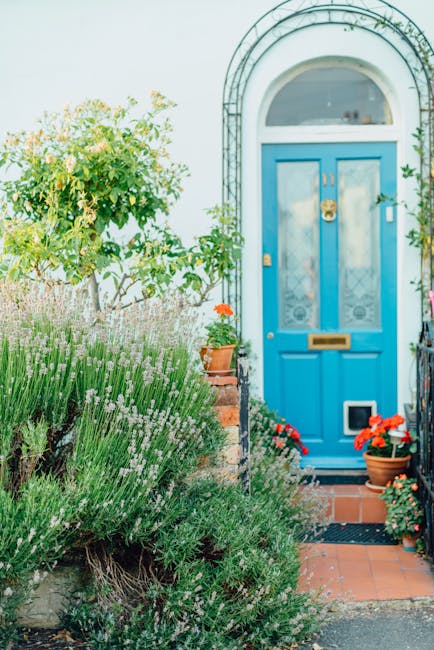
Picture a typical Broadway frontage: a narrow lawn strip, two tired shrubs near the windows, a hedge that has crept a little too high, and a path with patches of moss. Nothing dramatic. Just the kind of garden that has slowly slipped out of shape because nobody had time to keep nudging it back.
The first visit might focus on clarity. The hedge is trimmed to restore light. The border is cleaned and redefined. Old weeds are removed properly, not just skimmed. The shrubs are checked, and one may be thinned or reshaped to keep the frontage balanced. Then mulch is added, a few selected plants are introduced for structure, and the path is cleaned so the entrance feels safer and more inviting.
What changes most is not just the look. It is the feeling. The house suddenly seems brighter from the street. The doorway feels more deliberate. The owner no longer sees a constant list of jobs every time they pull up outside. That is the real win, to be fair.
In cases like that, a follow-up maintenance plan often matters more than a one-time transformation. A little seasonal care keeps the space from sliding back into the same pattern. If you want a broader refresh around the front and side areas, the pages on landscaping and fencing may also be relevant, depending on the boundary condition and layout.
Practical Checklist
Use this before you book work or tackle the garden yourself.
- Check whether the front garden needs maintenance, a refresh, or a full redesign.
- Measure how much light the space gets through the day.
- Note any drainage problems, moss, or standing water.
- Identify hedges, shrubs, or trees that are blocking access or light.
- Decide whether you want low-maintenance planting or a more decorative scheme.
- Look at how the garden appears from the road and from the front door.
- Clear weeds, debris, and clutter before adding anything new.
- Choose plants that suit the site rather than forcing favourites into the wrong space.
- Plan for regular upkeep, not just a single tidy-up.
- Make sure any contractor you use is clear about safety, pricing, and service scope.
A tidy front garden is rarely an accident. It is usually the result of a few good decisions made in the right order.
Get a free quote today and see how much you can save.
Conclusion
Gardeners for Bexleyheath Broadway front gardens are about much more than neat grass and trimmed hedges. They help shape the way a home feels from the street, how easy it is to live with day to day, and how well the space stands up to changing seasons. Whether you need a tidy front edge, a more thoughtful planting scheme, or a full refresh, the best results come from clear planning and practical care.
If you remember one thing, let it be this: a front garden works best when it is both attractive and easy to maintain. Get those two things right, and everything else becomes simpler. And a little calmer too, which is no bad thing on a busy weekday morning.
When you are ready to take the next step, look at the full range of gardening services and learn more about the team on about us. A good front garden has a way of making the whole house breathe a bit easier.
Frequently Asked Questions
What do gardeners for Bexleyheath Broadway front gardens usually do?
They usually handle a mix of maintenance and presentation work: hedge trimming, weeding, pruning, lawn care, border tidying, planting, and sometimes surface cleaning or light redesign work. The exact job depends on the condition of the frontage and what you want it to achieve.
Is a front garden different from a back garden in terms of design?
Yes, usually. A front garden needs to look good from the street, stay clear and safe for access, and often needs to be lower maintenance. Back gardens can be more private and relaxed. Front spaces tend to need a bit more discipline, honestly.
How often should a front garden be maintained?
That depends on the planting and the amount of growth, but many front gardens benefit from regular attention every few weeks in the growing season and lighter seasonal maintenance in colder months. Fast-growing hedges and lawns need more frequent care.
Can a front garden be made low maintenance without looking plain?
Absolutely. Good low-maintenance design uses structure, repetition, hardy planting, and clean edging rather than lots of different plants. Evergreen shrubs, ground cover, and a few focal features can look polished without becoming a burden.
What if my front garden is very small or narrow?
Small spaces need careful scaling and smart plant choice. Often the best approach is to keep the layout simple, use vertical structure sparingly, and avoid overfilling the space. A small garden can look excellent if it feels deliberate.
Do I need professional help for hedge trimming?
If the hedge is tall, uneven, near a pavement, or awkward to reach safely, professional help is often the sensible option. It can be quicker, tidier, and safer than trying to wrestle with it yourself on a wobbly ladder. Nobody needs that kind of weekend.
What are the best plants for a front garden in the UK?
That depends on light, soil, and style, but hardy shrubs, evergreen structure, ground cover, and seasonal colour plants tend to work well. The best plants are the ones that suit the site and your maintenance appetite, not just the ones you saw in a nice photo.
Can front garden work help with privacy?
Yes, if it is designed thoughtfully. Hedges, climbers, and layered planting can screen views without blocking the whole frontage. The trick is keeping enough openness for light and access while softening the view from outside.
What should I ask before booking a gardening service?
Ask what is included, how the work will be carried out, whether waste removal is covered, how pricing works, and what happens if the scope changes once the garden is assessed. It is also sensible to ask about insurance and safety practices.
Are there compliance concerns for front gardens near public paths?
Yes, there can be. Plants should not obstruct access, create trip hazards, or make visibility difficult. Trees, hedges, and boundary features near public areas should be maintained carefully. If there is any doubt, a professional assessment is wise.
How do I know whether I need maintenance or a full redesign?
If the garden is generally fine but a little untidy, maintenance may be enough. If the layout feels awkward, the plants are wrong for the space, or the frontage never quite looks right no matter how much you tidy it, a redesign may be better. Sometimes the structure is the real problem.
Where can I learn more before making a decision?
You can explore related guidance on garden tools, low-maintenance ideas, weed control, hedges, and seasonal care across the site. That makes it easier to decide what your front garden actually needs before you spend money on the wrong fix.